currently reading:
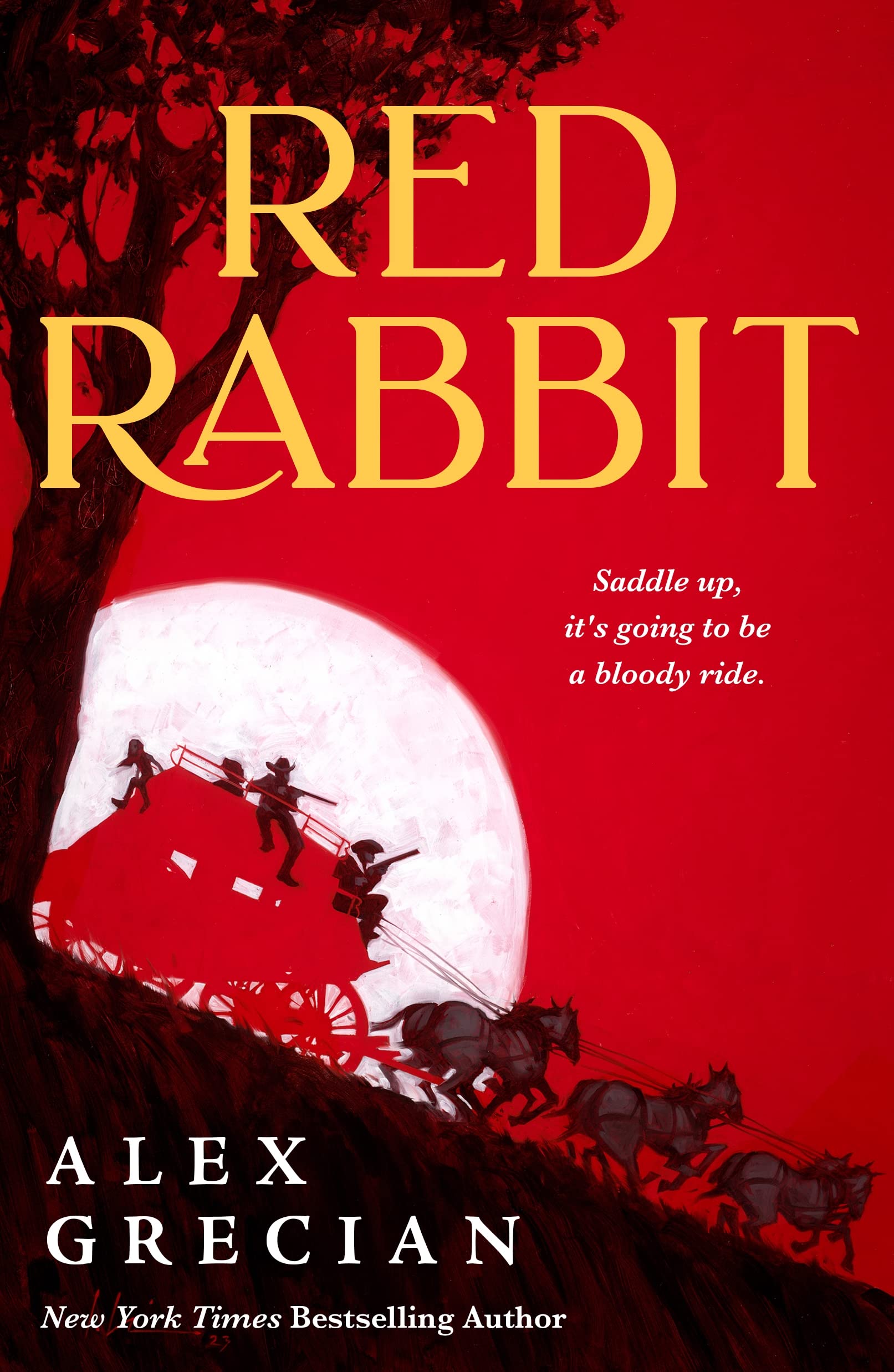
Alex Grecian

Ava Reid
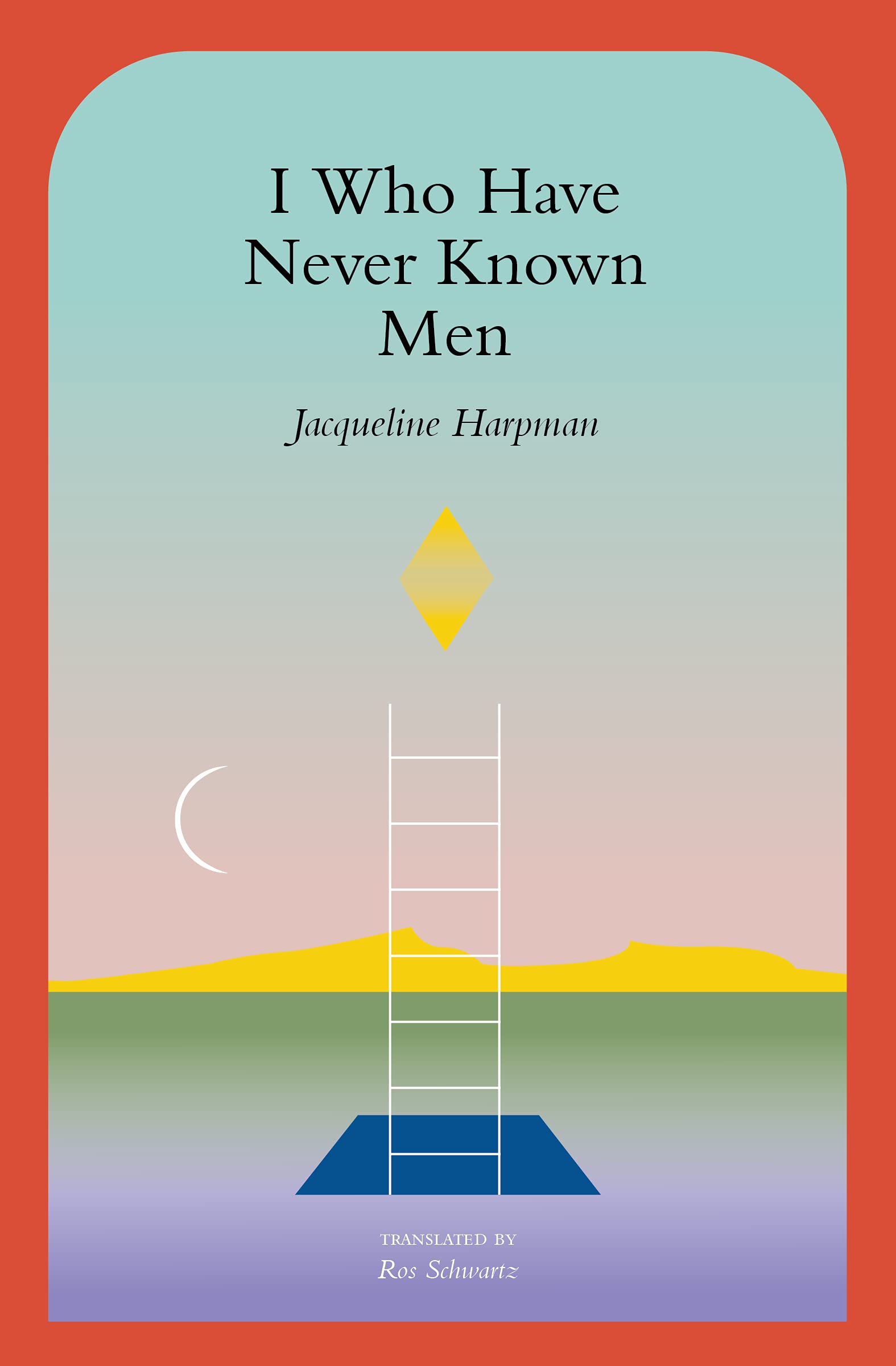
Jacqueline Harpman,
translator: Ros Schwartz
currently listening to:

Richard Osman
2026
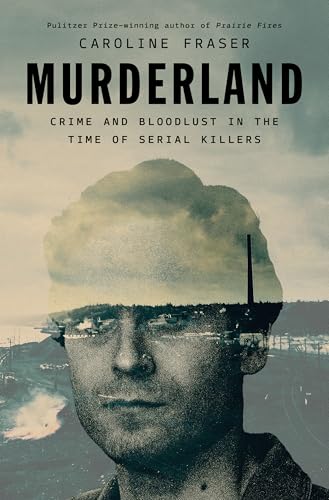
Murderland
Caroline Fraser
★★☆☆☆ (2/5)
4/17/26 → 4/19/26
Caroline Fraser
★★☆☆☆ (2/5)
4/17/26 → 4/19/26
Murderland is part memoir, part true crime, and part environmental nonfiction centered around the author's thesis that toxic chemical dumping grounds led to the explosion of serial killers in the Pacific Northwest during the 70s and 80s.
Listened to this via audiobook. Meh, a little disappointed in this one. I saw this book pitched for its environmental slant, which interested me. I had heard about the theory that lead poisoning led to an increase in violent crimes in the US during the mid-late 1900s, so I was curious to read a book that examined it. However, this book was very strange and disjointed. In the beginning, I was drawn in by the author's descriptions of the dark and moody Pacific Northwest before she randomly started talking about geological structures (the Olympic-Wallowa Lineament, or OWL) and bridges and her shitty dad. I *think* she mentioned the OWL as an attempt to suggest that underlying geological features contributed to the chaos and violence? Like, maybe the land is inherently cursed or some shit, idk. It came across as more woo-woo, so I'm not sure why she kept talking about it. She would hop between describing the violent crimes of various serial killers (in excessive detail, imo) before swapping to talk about how much she wanted to kill her dad as a teen and how the bridges around Puget Sound were super dangerous, and then randomly throw in a few bits about geology or make a pop culture reference, before going back to talking about serial killers. It felt so random and honestly, a little disrespectful. There has been a lot of discourse over the years about true crime and how exploitative the genre can be, especially in regards to the victims. Her shoe-horning her family drama and trying to relate it to serial killers and environmental disasters felt borderline disrespectful, especially when it felt like she was trying to be extra edgy to fit the darker tone of the book. She paid lip service to the victims through a downright corny poem (incantation? curse?) at the very end, but it felt just like that, shallow lip service, when compared to the rest of the book. Mentioning the victims and acknowledging that true crime can be problematic means nothing when for the past several hundred pages you were describing in great detail how these victims were raped, brutalized, and murdered, all while making allusions to other, unconfirmed crimes these perpetrators may have committed and complaining about your dad. Tonally and thematically, it didn't make sense and just made the author come across as a petulant teenager, not the 60-something year old Pulitzer Prize winner that she is. Like yes, her dad was a piece of shit, but that and the bridges and the weird geology facts don't relate to her primary thesis. I think the book would have been much more coherent if she had cut out all of the memoir crap and either included it in an author's note at the end or saved it for an entirely different book. I did think the environmental disaster component was interesting, especially when I have a passing familiarity with a lot of the locations mentioned, and after finishing this book, I went and looked at all of the Superfund sites in the US. I wish she went more into that, as I felt like that was the book's strongest point and presented more evidence towards the lead-violence theory.
Listened to this via audiobook. Meh, a little disappointed in this one. I saw this book pitched for its environmental slant, which interested me. I had heard about the theory that lead poisoning led to an increase in violent crimes in the US during the mid-late 1900s, so I was curious to read a book that examined it. However, this book was very strange and disjointed. In the beginning, I was drawn in by the author's descriptions of the dark and moody Pacific Northwest before she randomly started talking about geological structures (the Olympic-Wallowa Lineament, or OWL) and bridges and her shitty dad. I *think* she mentioned the OWL as an attempt to suggest that underlying geological features contributed to the chaos and violence? Like, maybe the land is inherently cursed or some shit, idk. It came across as more woo-woo, so I'm not sure why she kept talking about it. She would hop between describing the violent crimes of various serial killers (in excessive detail, imo) before swapping to talk about how much she wanted to kill her dad as a teen and how the bridges around Puget Sound were super dangerous, and then randomly throw in a few bits about geology or make a pop culture reference, before going back to talking about serial killers. It felt so random and honestly, a little disrespectful. There has been a lot of discourse over the years about true crime and how exploitative the genre can be, especially in regards to the victims. Her shoe-horning her family drama and trying to relate it to serial killers and environmental disasters felt borderline disrespectful, especially when it felt like she was trying to be extra edgy to fit the darker tone of the book. She paid lip service to the victims through a downright corny poem (incantation? curse?) at the very end, but it felt just like that, shallow lip service, when compared to the rest of the book. Mentioning the victims and acknowledging that true crime can be problematic means nothing when for the past several hundred pages you were describing in great detail how these victims were raped, brutalized, and murdered, all while making allusions to other, unconfirmed crimes these perpetrators may have committed and complaining about your dad. Tonally and thematically, it didn't make sense and just made the author come across as a petulant teenager, not the 60-something year old Pulitzer Prize winner that she is. Like yes, her dad was a piece of shit, but that and the bridges and the weird geology facts don't relate to her primary thesis. I think the book would have been much more coherent if she had cut out all of the memoir crap and either included it in an author's note at the end or saved it for an entirely different book. I did think the environmental disaster component was interesting, especially when I have a passing familiarity with a lot of the locations mentioned, and after finishing this book, I went and looked at all of the Superfund sites in the US. I wish she went more into that, as I felt like that was the book's strongest point and presented more evidence towards the lead-violence theory.

The Heroes
Joe Abercrombie
★★★☆☆ (3.5/5)
4/5/26 → 4/17/26
Joe Abercrombie
★★★☆☆ (3.5/5)
4/5/26 → 4/17/26
The Heroes is the second standalone in the First Law universe and the fifth book overall. Black Dow is the feared king of the North, leaving a trail of blood in the wake of his ascension to the throne. The King of the Union is a jealous neighbor, seeking to bring Black Dow down a peg. The Heroes follows three days of battle as the North and the Union fight over a hill of stones called the Heroes.
Listened to this via audiobook. As always, Steven Pacey is a delight to listen to. However, I'm not sure if I would have finished this book if I had read it physically. It quite literally is about three days of battles. That's it. That's the book. Three days of violence and destruction, and the trauma and tragedy that follows war. Battle scenes aren't my favorite in books. Much like sex scenes, I prefer them in moderation. And so, listening to almost 600 pages worth of battles was a bit exhausting. The themes of this book are quite obvious. War is hell and overall, utterly pointless. Those that suffer most are the little people. Was it really worth it to shed that much blood and lose so many lives over a worthless hill in a random valley? And so on and so forth. I do like seeing how time is progressing in the world of First Law and seeing how characters are doing. It was a little sad to see how much Shivers has changed. Poor lad, but I suppose it makes sense considering what happened to him in the prior installment. I'm eager to continue on and be done with the standalones. Just one more to go! Overall, I haven't loved them like I did with the original trilogy. (Although honestly, that might be just because they don't feature Glokta. In retrospect, he really carried the trilogy for me lol.)
Listened to this via audiobook. As always, Steven Pacey is a delight to listen to. However, I'm not sure if I would have finished this book if I had read it physically. It quite literally is about three days of battles. That's it. That's the book. Three days of violence and destruction, and the trauma and tragedy that follows war. Battle scenes aren't my favorite in books. Much like sex scenes, I prefer them in moderation. And so, listening to almost 600 pages worth of battles was a bit exhausting. The themes of this book are quite obvious. War is hell and overall, utterly pointless. Those that suffer most are the little people. Was it really worth it to shed that much blood and lose so many lives over a worthless hill in a random valley? And so on and so forth. I do like seeing how time is progressing in the world of First Law and seeing how characters are doing. It was a little sad to see how much Shivers has changed. Poor lad, but I suppose it makes sense considering what happened to him in the prior installment. I'm eager to continue on and be done with the standalones. Just one more to go! Overall, I haven't loved them like I did with the original trilogy. (Although honestly, that might be just because they don't feature Glokta. In retrospect, he really carried the trilogy for me lol.)

The Cuckoo's Calling
Robert Galbraith
★★★★☆ (4/5)
4/11/26 → 4/15/26
Robert Galbraith
★★★★☆ (4/5)
4/11/26 → 4/15/26
This is the first book in the Cormoran Strike mystery series and a reread for me. You can find my original review under 2023. (Wow, has it really been that long?)
This is technically a reread, but it's also my first time listening to the audiobook. I heard the audiobooks were good, and I can confirm it! I was curious to see if my rating would change upon a reread but, nah, this is a solid 4 star book for me. I'm not sure if I'd recommend the physical book over the audiobook (or vice versa). I think either is a good option, although it might be easier to follow along if you read the book physically.
"'You're like everyone else, Strike; you want your civil liberties when you've told the missus you're at the office and you're at a lap-dancing club, but you want twenty-four-hour surveillance on your house when someone's trying to force your bathroom window open. Can't have it both ways.'"
"He had hoped to spot the flickering shadow of a murderer as he turned the file's pages, but instead it was the ghost of Lula herself who emerged, gazing up at him, as victims of violent crimes sometimes did, through the detritus of their interrupted lives."
"How easy it was to capitalize on a person’s own bent for self-destruction; how simple to nudge them into non-being, then to stand back and shrug and agree that it had been the inevitable result of a chaotic, catastrophic life."
This is technically a reread, but it's also my first time listening to the audiobook. I heard the audiobooks were good, and I can confirm it! I was curious to see if my rating would change upon a reread but, nah, this is a solid 4 star book for me. I'm not sure if I'd recommend the physical book over the audiobook (or vice versa). I think either is a good option, although it might be easier to follow along if you read the book physically.
Random Quotes:
"The dead could only speak through the mouths of those left behind, and through the signs they left scattered behind them.""'You're like everyone else, Strike; you want your civil liberties when you've told the missus you're at the office and you're at a lap-dancing club, but you want twenty-four-hour surveillance on your house when someone's trying to force your bathroom window open. Can't have it both ways.'"
"He had hoped to spot the flickering shadow of a murderer as he turned the file's pages, but instead it was the ghost of Lula herself who emerged, gazing up at him, as victims of violent crimes sometimes did, through the detritus of their interrupted lives."
"How easy it was to capitalize on a person’s own bent for self-destruction; how simple to nudge them into non-being, then to stand back and shrug and agree that it had been the inevitable result of a chaotic, catastrophic life."

When the Museum Is
Closed
Emi Yagi,
translator: Yuki Tejima
★★★☆☆ (3.5/5)
4/8/26 → 4/9/26
Closed
Emi Yagi,
translator: Yuki Tejima
★★★☆☆ (3.5/5)
4/8/26 → 4/9/26
At the recommendation of her old professor, Rika Horiuchi gets a job at the local art museum, where her sole duty is to converse with a statue of Venus in the evenings, after the museum has closed. Rika is a bit of a loner and a loser, shrouded in a yellow raincoat that no one but her can see or feel. Over time, her conversations with Venus draw her out of her shell, and she falls in love with the statue. However, the museum's curator is also in love with Venus, and he would do anything to keep the statue for himself.
Thought this was alright! I think the first half gripped me more than the latter half. Despite its short length, this novella touches a lot on the themes of self-perception, isolation/alienation, desire, and the sense of loneliness that permeates modern society. You're constantly surrounded by people, but how often do you make genuine connections? This novella says many things but also leaves many things unsaid, trusting the reader to draw their own conclusions and understand the more open-ended nature of the story.
'But I don't get to do the choosing. Ever.'"
"I still found it hard to wrap my head around the idea that a person could write down words, send them off into the world, and somehow those words would land in the hands of the person for whom they were intended. That people did this every day without thinking twice astounded me."
"People can get through the day because they have something to wait for. It can be big or small; something that might not even come to pass. It’s the waiting that keeps them going. They wait to eat three times a day, wait for the weekend, wait for new classes, wait for their lovers to arrive, wait to graduate, wait to be transferred, find a new job, retire. They wait to sleep. And finally, they wait to die."
Thought this was alright! I think the first half gripped me more than the latter half. Despite its short length, this novella touches a lot on the themes of self-perception, isolation/alienation, desire, and the sense of loneliness that permeates modern society. You're constantly surrounded by people, but how often do you make genuine connections? This novella says many things but also leaves many things unsaid, trusting the reader to draw their own conclusions and understand the more open-ended nature of the story.
Random Quotes:
"'How lovely it must be,' I said. 'Being chosen all the time.''But I don't get to do the choosing. Ever.'"
"I still found it hard to wrap my head around the idea that a person could write down words, send them off into the world, and somehow those words would land in the hands of the person for whom they were intended. That people did this every day without thinking twice astounded me."
"People can get through the day because they have something to wait for. It can be big or small; something that might not even come to pass. It’s the waiting that keeps them going. They wait to eat three times a day, wait for the weekend, wait for new classes, wait for their lovers to arrive, wait to graduate, wait to be transferred, find a new job, retire. They wait to sleep. And finally, they wait to die."

The Bullet That Missed
Richard Osman
★★★★☆ (4/5)
4/5/26 → 4/7/26
Richard Osman
★★★★☆ (4/5)
4/5/26 → 4/7/26
This is the third book in the ongoing Thursday Murder Club series, following a group of retirees who solve murders. This time, they are trying to solve the case of Bethany Waite. A decade ago, Bethany was a journalist on the brink of making a major discovery. One night, she disappeared and was never seen again. Her car was found driven off of a cliff, so her death was ruled a suicide. However, her body was never found, and some believe she was murdered because she was getting too close to the truth.
Listened to this via audiobook. I thought the first two Thursday Murder Club books were middle of the road, so I was surprised by how much I liked this one. It's a cozy mystery series, but the books never feel twee. Instead, it's a comfort to check in and see how everyone at Cooper's Chase is doing. The mystery was well done, and the author did a great job in depicting the grief in watching as a loved one slowly slips away from dementia. (I have a feeling that the next book is going to be a bit sad...) I think my primary complaint is that they switched audiobook narrators and I'm not sure if I like the new one. Her voice is so quiet and whispy. It was sometimes annoying to listen to her narration.
Listened to this via audiobook. I thought the first two Thursday Murder Club books were middle of the road, so I was surprised by how much I liked this one. It's a cozy mystery series, but the books never feel twee. Instead, it's a comfort to check in and see how everyone at Cooper's Chase is doing. The mystery was well done, and the author did a great job in depicting the grief in watching as a loved one slowly slips away from dementia. (I have a feeling that the next book is going to be a bit sad...) I think my primary complaint is that they switched audiobook narrators and I'm not sure if I like the new one. Her voice is so quiet and whispy. It was sometimes annoying to listen to her narration.
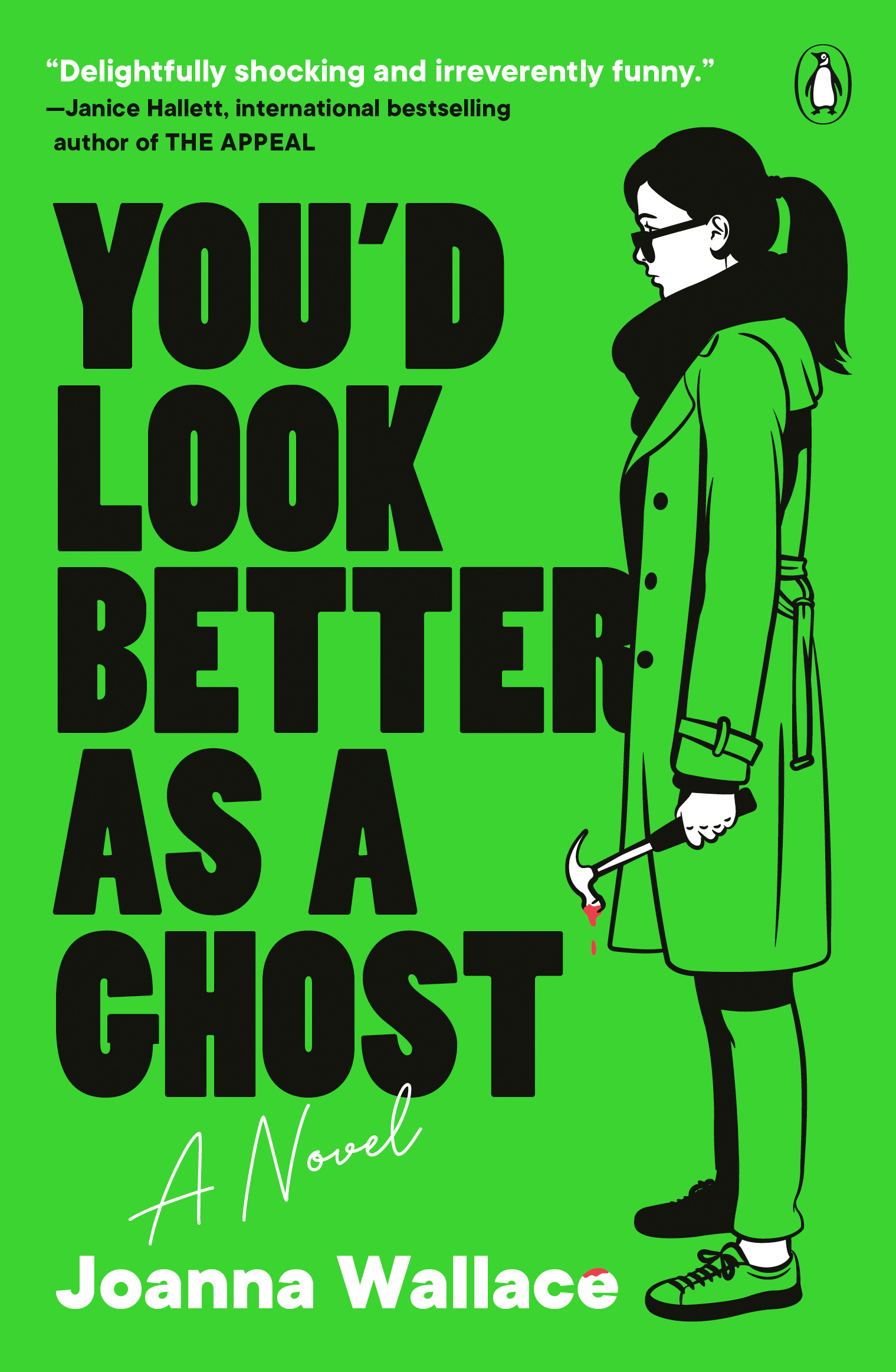
You'd Look Better
as a Ghost
Joanna Wallace
★★★★☆ (4/5)
4/3/26 → 4/4/26
as a Ghost
Joanna Wallace
★★★★☆ (4/5)
4/3/26 → 4/4/26
You'd Look Better as a Ghost is a comic thriller following Claire, a serial killer who targets anyone who inconveniences her. After the death of her father, an unlucky man draws her ire and she kills him. For years, Claire has gotten away with her murders, but something is different about this one. This time, someone has observed the killing and is trying to blackmail her. She needs to figure out who it is before it's too late.
Listened to this via audiobook. Thought it was pretty entertaining! It's described as a comic thriller, but it isn't very comedic, imo. The tone overall isn't very serious, but it does touch on more serious topics like dementia, grief, elder abuse, and emotional abuse by a family member. I think Claire is supposed to be an unlikeable main character, given that she's a serial killer and an incredibly petty and shallow one at that, constantly critiquing the appearances of everyone around her. But I thought she was entertaining to follow and I enjoyed the ride in figuring out who was behind everything.
Listened to this via audiobook. Thought it was pretty entertaining! It's described as a comic thriller, but it isn't very comedic, imo. The tone overall isn't very serious, but it does touch on more serious topics like dementia, grief, elder abuse, and emotional abuse by a family member. I think Claire is supposed to be an unlikeable main character, given that she's a serial killer and an incredibly petty and shallow one at that, constantly critiquing the appearances of everyone around her. But I thought she was entertaining to follow and I enjoyed the ride in figuring out who was behind everything.

The Red Winter
Cameron Sullivan
★☆☆☆☆ (1.5/5)
3/21/26 → 3/30/26
Cameron Sullivan
★☆☆☆☆ (1.5/5)
3/21/26 → 3/30/26
The Red Winter is a historical fantasy and retelling of the Beast of Gévaudan. It is 1785 in France, and Sebastian Grave is an immortal magician and hunter, bound to a demon named Sarmodel who shares his body. One day, he receives news that the Beast of Gévaudan has returned. Twenty years prior, Grave hunted the Beast as it tore through the French countryside, and it was stopped at the cost of many lives. Now, the Beast is back, and Grave has been recalled back to Gévaudan by his estranged former lover, Antoine. But Gévaudan has changed in his absence, and it seems like revolution is on the horizon, with deep-simmering rage and resentment stoked by the looming threat of the Beast.
Hmm. What to say about this book. When I finished reading it, my immediate response was to snap the book shut, wrinkle my nose, and go, "Eugh." I initially considered giving it 2 or 2.5 stars because I didn't feel any form of vitriol towards the book, which is what I traditionally associate with 1-star books. However, the more I think about it, the more it bothers me.
First of all, this book feels very long. Waaay too long, in fact. By the time I hit the halfway mark, I was ready for it to be over. I think the premise was interesting, but the execution left much to be desired. The book is split between three perspectives. The first is Sebastian's perspective in 1785 France, the second is Livia's perspective and follows the tale of Jehanne d'Arc centuries ago, and the third is Sebastian's perspective in 1765, during the first appearance of the Beast. The majority of the book is told in flashbacks. The purpose of these flashbacks is to explain the appearance of the Beast of Gévaudan and to showcase Sebastian's relationship with Antoine. But when you realize that most of the book is flashbacks and Sebastian traveling to Gévaudan, the pacing feels utterly glacial. It's just a bunch of backstory with little to no satisfying payoff at the end. Sebastian doesn't even really interact with Antoine until the final third of the book. By then, the author is rushing towards the end, and their reunion feels incredibly short and shallow. The author tried to craft this tragic, sweeping romance between the two, but it falls flat on its face. Their romance can be summarized as them banging like rabbits while cavorting around the French countryside, all while the Beast is slaughtering and terrorizing the peasantry. I don't think the author intended for it to come across this way, but if you squint, you could take their romance as a representation of classism, with the spoiled nobility (Antoine) and their entourage (Sebastian) leisurely fucking each other all while peasants are literally being disembowled nearby. You would think there'd be a sense of urgency, but I guess lust and feelings take precedence. Antoine is a drunkard and a spoiled brat while Sebastian is just boring and horny. I couldn't buy into their relationship, or rather, I couldn't buy that there was any substance to their relationship. Was there a physical and lust-filled attraction? Sure, I guess. Was there any deeper, meaningful emotional connection? Ehhh... Given that the majority of this book is centered around Sebastian's relationship and feelings for Antoine, not being able to buy into that relationship is a major strike against it, which results in the entire reading experience feeling tedious and forced.
But what really annoyed me and what ultimately tanked my rating of this book was its treatment of women. Almost every single named female character is a) sexualized, b) killed, and/or c) mutilated. (I try not to make assumptions about authors from their work, but this does have me side-eyeing Mr. Sullivan.) I dunno, this book went through so many hands, many of which were women, judging from the acknowledgements, and no one flagged this? I skimmed through some reviews on Goodreads, and a few of them also brought this up, so it's not just me being a cantankerous killjoy! It's especially galling because this book is published by Tor, which prides itself on being a more progressive publisher of sorts. (Although maybe I shouldn't be that surprised because it's fucking Tor lmao.) The author has a bad case of "man writing women" disease, and I fear it may be terminal. It was something that I noticed and was bothered by while reading, but I pushed on to the end. However, after some contemplation, I decided to be petty and go back, flip through the entire thing, and catalogue every single named female character, major or minor, and see if she was sexualized, killed, and/or mutilated. Out of the 12 named female characters, only 1.5 didn't suffer from the aforementioned three situations. (I say 1.5, because the '.5' character technically wasn't mutilated. She was instead just severely beaten, despite being pregnant. As for the '1' character, we actually don't know her fate, so I'm just assuming she wasn't killed lmao. It's entirely possible she didn't survive the events of the book, so really, you could say that only 0.5 female characters were definitively not sexualized, killed, or mutilated. I will also add the disclaimer that it's possible I might have missed an extremely minor character while skim-reading, but you get the gist.) If you're curious, here's my list of female characters:
Another complaint I have is the author's weird fixation on sex. One of the characters, Livia, is a succubus, so her perspective being... like that makes sense. But everything else? Eugh. Before you call me a prude, I'm not adverse to sex scenes in books. It's just that this book in particular had really weird sexual descriptions. To be fair, the weird sex stuff also involved male characters, not just female ones, although it was more prevalent with female characters. There were plenty of descriptions about erect and "throbbing manhoods" that offended my eyeballs while reading.
Anyway, this book was stinky poo poo. Initially, I wanted to give it 2 stars because I liked the premise. The concept of an immortal mage/spirit hunter guy that is bound to a demon, and that demon is his mentor, partner, and lover, is neat. Unfortunately, Sebastian was a wet cardboard box, and Sarmodel was annoying. His romance with Antoine felt hollow. The author's treatment of women, as well as the weird sex stuff, kind of ruined this book for me. So, it's gonna have to be a 1.5 from me. The best part of this book is its cover and lovely end pages (at least on the 1st edition hardcovers). (Although, admittedly, I'm not quite sure who the cover is supposed to be depicting. Is that supposed to be the Beast? Because it looks nothing like him. And it's definitely not Sarmodel, because he's described as looking like a mandrill.) Honestly, I'm not even mad at it. It's almost comical that pretty much every single female character was treated like garbage. I think, really, the most amount of disdain I feel is towards Tor. Really, this is the crap you're publishing? You're lucky you have Brandon Sanderson around to keep the lights on.
Hmm. What to say about this book. When I finished reading it, my immediate response was to snap the book shut, wrinkle my nose, and go, "Eugh." I initially considered giving it 2 or 2.5 stars because I didn't feel any form of vitriol towards the book, which is what I traditionally associate with 1-star books. However, the more I think about it, the more it bothers me.
First of all, this book feels very long. Waaay too long, in fact. By the time I hit the halfway mark, I was ready for it to be over. I think the premise was interesting, but the execution left much to be desired. The book is split between three perspectives. The first is Sebastian's perspective in 1785 France, the second is Livia's perspective and follows the tale of Jehanne d'Arc centuries ago, and the third is Sebastian's perspective in 1765, during the first appearance of the Beast. The majority of the book is told in flashbacks. The purpose of these flashbacks is to explain the appearance of the Beast of Gévaudan and to showcase Sebastian's relationship with Antoine. But when you realize that most of the book is flashbacks and Sebastian traveling to Gévaudan, the pacing feels utterly glacial. It's just a bunch of backstory with little to no satisfying payoff at the end. Sebastian doesn't even really interact with Antoine until the final third of the book. By then, the author is rushing towards the end, and their reunion feels incredibly short and shallow. The author tried to craft this tragic, sweeping romance between the two, but it falls flat on its face. Their romance can be summarized as them banging like rabbits while cavorting around the French countryside, all while the Beast is slaughtering and terrorizing the peasantry. I don't think the author intended for it to come across this way, but if you squint, you could take their romance as a representation of classism, with the spoiled nobility (Antoine) and their entourage (Sebastian) leisurely fucking each other all while peasants are literally being disembowled nearby. You would think there'd be a sense of urgency, but I guess lust and feelings take precedence. Antoine is a drunkard and a spoiled brat while Sebastian is just boring and horny. I couldn't buy into their relationship, or rather, I couldn't buy that there was any substance to their relationship. Was there a physical and lust-filled attraction? Sure, I guess. Was there any deeper, meaningful emotional connection? Ehhh... Given that the majority of this book is centered around Sebastian's relationship and feelings for Antoine, not being able to buy into that relationship is a major strike against it, which results in the entire reading experience feeling tedious and forced.
But what really annoyed me and what ultimately tanked my rating of this book was its treatment of women. Almost every single named female character is a) sexualized, b) killed, and/or c) mutilated. (I try not to make assumptions about authors from their work, but this does have me side-eyeing Mr. Sullivan.) I dunno, this book went through so many hands, many of which were women, judging from the acknowledgements, and no one flagged this? I skimmed through some reviews on Goodreads, and a few of them also brought this up, so it's not just me being a cantankerous killjoy! It's especially galling because this book is published by Tor, which prides itself on being a more progressive publisher of sorts. (Although maybe I shouldn't be that surprised because it's fucking Tor lmao.) The author has a bad case of "man writing women" disease, and I fear it may be terminal. It was something that I noticed and was bothered by while reading, but I pushed on to the end. However, after some contemplation, I decided to be petty and go back, flip through the entire thing, and catalogue every single named female character, major or minor, and see if she was sexualized, killed, and/or mutilated. Out of the 12 named female characters, only 1.5 didn't suffer from the aforementioned three situations. (I say 1.5, because the '.5' character technically wasn't mutilated. She was instead just severely beaten, despite being pregnant. As for the '1' character, we actually don't know her fate, so I'm just assuming she wasn't killed lmao. It's entirely possible she didn't survive the events of the book, so really, you could say that only 0.5 female characters were definitively not sexualized, killed, or mutilated. I will also add the disclaimer that it's possible I might have missed an extremely minor character while skim-reading, but you get the gist.) If you're curious, here's my list of female characters:
Spoilers, obviously
| Character | Sexualized? | Killed? | Mutilated? |
|---|---|---|---|
| Cristina | X | ✓? (already dead) |
✓? (autopsy) |
| Livia | ✓ | X | ✓ |
| Jehanne d'Arc | ✓ | ✓ | ✓ |
| Cecile | ✓ | ✓ | ✓ |
| Therese | X | ✓ | ✓ |
| Lorette | X | X | X (she was beaten) |
| Dayane | ✓ | ✓ | ✓ |
| Anna | ✓ | ✓ | ✓ |
| Eloise | X | ✓ | ✓ (eaten) |
| Ninette | X | ✓ | ✓ (eaten) |
| Agace | X | ✓ | X? |
| Rosalie | X | X? (unconfirmed) | X |
Another complaint I have is the author's weird fixation on sex. One of the characters, Livia, is a succubus, so her perspective being... like that makes sense. But everything else? Eugh. Before you call me a prude, I'm not adverse to sex scenes in books. It's just that this book in particular had really weird sexual descriptions. To be fair, the weird sex stuff also involved male characters, not just female ones, although it was more prevalent with female characters. There were plenty of descriptions about erect and "throbbing manhoods" that offended my eyeballs while reading.
Anyway, this book was stinky poo poo. Initially, I wanted to give it 2 stars because I liked the premise. The concept of an immortal mage/spirit hunter guy that is bound to a demon, and that demon is his mentor, partner, and lover, is neat. Unfortunately, Sebastian was a wet cardboard box, and Sarmodel was annoying. His romance with Antoine felt hollow. The author's treatment of women, as well as the weird sex stuff, kind of ruined this book for me. So, it's gonna have to be a 1.5 from me. The best part of this book is its cover and lovely end pages (at least on the 1st edition hardcovers). (Although, admittedly, I'm not quite sure who the cover is supposed to be depicting. Is that supposed to be the Beast? Because it looks nothing like him. And it's definitely not Sarmodel, because he's described as looking like a mandrill.) Honestly, I'm not even mad at it. It's almost comical that pretty much every single female character was treated like garbage. I think, really, the most amount of disdain I feel is towards Tor. Really, this is the crap you're publishing? You're lucky you have Brandon Sanderson around to keep the lights on.

Crypt of the Moon
Spider
Nathan Ballingrud
★★★★☆ (4.5/5)
3/12/26
Spider
Nathan Ballingrud
★★★★☆ (4.5/5)
3/12/26
Crypt of the Moon Spider is a horror novella that's basically about alternate history lobotomies. Once upon a time, under the dense forests of the moon, there lived the moon spider, an enormous spider with psychic abilities who was once worshipped as a god. Now, the moon spider is dead. It's 1923 and Veronica has arrived on the moon, forcibly placed in a mental institute by her husband in order to treat her melancholy. The doctor there specializes in a revolutionary treatment, where he operates on a patient's brain, weaving in moon spider silk to eliminate their troubling thoughts. However, despite being long dead, the presence of the spider still haunts the moon.
Not as creepy as I thought, but still greatly enjoyable. This is one of those books that I like the more I think about it. Originally, I gave it 4 stars but I decided to bump it up to 4.5. If you mix medical horror with psychological horror and add a dash of cosmic dread, you'll get this novella. It's truly a 'me' sort of book. It has all that I like: cults, psychological horror, unknowable cosmic creatures, female rage (sorta), and a dark fever dream-esque atmosphere. I thought that the writing was excellent and very evocative. For such a short novella (88 pages!), the author did a great job in building Veronica as a character and I was rooting for her throughout the book. I appreciated the exploration of forced medical institutionalization and its horrors, as well as the gendered aspect of it, with husbands and men forcibly imprisoning their wives and female relatives in mental asylums. This is the first book in a trilogy of novellas and I'll definitely be checking out the sequel. (I will say, these novellas have really cool titles. Crypt of the Moon Spider? Cathedral of the Drowned? Very neat!)
"'I didn't used to be this way. I was happy when I was a child. I had such grand ideas about how life would be. What happened to me? What happened to us?'
'We grew up.'"
"The thought crawled out of the wet black loam of her brain like some horrid new insect. It scrabbled unchecked through her mind, eating everything clean and good in her, laying clutches of wet, mucousy eggs in its stead."
"Running across the tops of the trees, she turned her eye to the blue and green sliver of Earth. She peered down through the long gulf until she found the little girl staring back up at her, a flag of life in the blowing wheat."
Not as creepy as I thought, but still greatly enjoyable. This is one of those books that I like the more I think about it. Originally, I gave it 4 stars but I decided to bump it up to 4.5. If you mix medical horror with psychological horror and add a dash of cosmic dread, you'll get this novella. It's truly a 'me' sort of book. It has all that I like: cults, psychological horror, unknowable cosmic creatures, female rage (sorta), and a dark fever dream-esque atmosphere. I thought that the writing was excellent and very evocative. For such a short novella (88 pages!), the author did a great job in building Veronica as a character and I was rooting for her throughout the book. I appreciated the exploration of forced medical institutionalization and its horrors, as well as the gendered aspect of it, with husbands and men forcibly imprisoning their wives and female relatives in mental asylums. This is the first book in a trilogy of novellas and I'll definitely be checking out the sequel. (I will say, these novellas have really cool titles. Crypt of the Moon Spider? Cathedral of the Drowned? Very neat!)
Random Quotes:
"Veronica recalled a local myth, which held that the moon was the inhabited skull of a long-dead god who once tread the dark pathways of space like a king through his star-curtained palace. Looking down upon it now, she could almost believe it. The moon seemed to exude a deathly energy, the way she imagined the bones of a holy animal might.""'I didn't used to be this way. I was happy when I was a child. I had such grand ideas about how life would be. What happened to me? What happened to us?'
'We grew up.'"
"The thought crawled out of the wet black loam of her brain like some horrid new insect. It scrabbled unchecked through her mind, eating everything clean and good in her, laying clutches of wet, mucousy eggs in its stead."
"Running across the tops of the trees, she turned her eye to the blue and green sliver of Earth. She peered down through the long gulf until she found the little girl staring back up at her, a flag of life in the blowing wheat."

How to Be a Saint
Kate Sidley
★★☆☆☆ (2.5/5)
3/10/26 → 3/12/26
Kate Sidley
★★☆☆☆ (2.5/5)
3/10/26 → 3/12/26
How to Be a Saint is a comedic nonfiction following the process of becoming a saint in the Catholic Church, as well as touching on various weird or interesting saints throughout history.
Meh. As a nonfiction, I found this to be shallow. As a humorous book, it wasn't particularly funny. The humor was incredibly forced, and it constantly felt like the author was nudging me and going "Eh, eh?" anytime she told a joke.
Meh. As a nonfiction, I found this to be shallow. As a humorous book, it wasn't particularly funny. The humor was incredibly forced, and it constantly felt like the author was nudging me and going "Eh, eh?" anytime she told a joke.
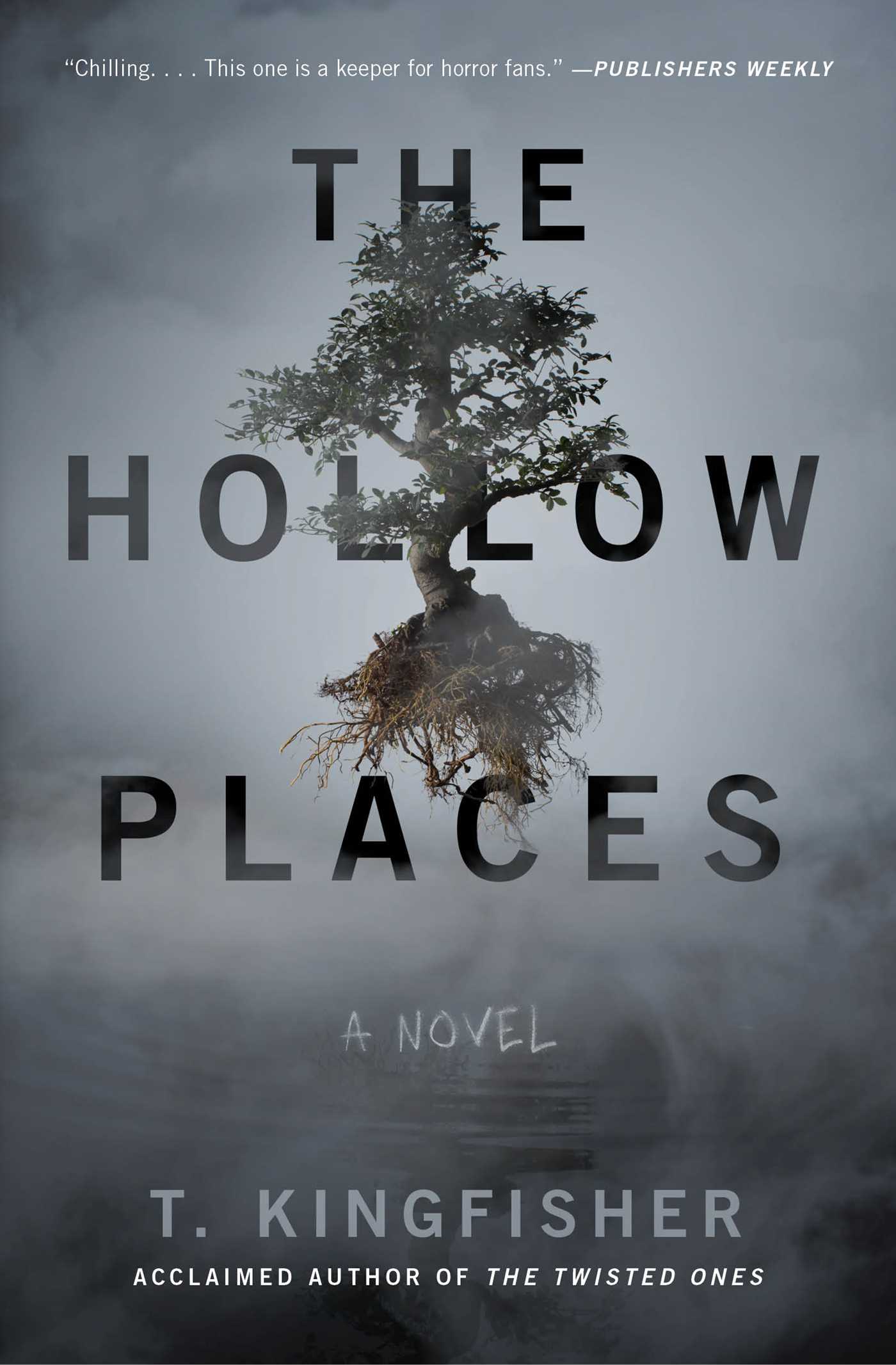
The Hollow Places
T. Kingfisher
★★☆☆☆ (2/5)
3/3/26 → 3/10/26
T. Kingfisher
★★☆☆☆ (2/5)
3/3/26 → 3/10/26
After getting divorced, Kara moves in with her uncle at his museum of oddities. She is temporarily in charge of the museum when her uncle needs to leave town to get surgery. One day, Kara discovers a strange passage in the museum that leads to a desolate world of abandoned bunkers and willows. But this land of willows isn't as empty as it seems. Danger stalks amongst the willows, and Kara needs to find a way to close the passage before that danger seeps into her world.
I read The Willows by Algernon Blackwood last year (and greatly enjoyed it, would recommend!). When I saw that this was inspired by The Willows, I was eager to give it a shot, despite disliking the last T. Kingfisher book I read (Nettle and Bone in 2023). And after finishing this, I can firmly say that T. Kingfisher is not the author for me. I simply don't get along with her writing. I don't know how else to describe it other than 'quirky chungus millennial.' (T. Kingfisher is technically Gen-X but from the two books I've read from her, they feature millennials or millennial-age characters.) I feel like I'm doing it a disservice by describing it like that, but it really does feel very... millennial. Depending on how your tastes align, that could be a positive or negative thing, but for me, it's definitely a negative. My tolerance for 'quirkiness' is fairly low, I fear. I'm a bit of a grinch when it comes to that regard. Because of this, I found myself getting tired of Kara by the end of the book. As a protagonist, she wasn't very smart. In fact, she was rather stupid. I tried to cut her some slack because she was undergoing life-changing traumatizing events, but... really? Did it really take you that long to figure things out? Really? But what I could NOT tolerate was her absolute uselessness when it came to her ex-husband. She was a complete doormat, just wallowing in her self-helplessness while her ex prattled on and on over the phone. Like girl, get a grip. Just hang up on him! Block his number! Good god. The other main character, Simon, was alright. I appreciated his chill demeanor and friendship with Kara.
As for the horror elements and inspiration from The Willows... I don't know how to feel about it. This book is classified as a horror, but I didn't find it particularly scary or unsettling. I was excited for The Willows inspiration until I realized that a good chunk of this book was essentially a retelling, which I found eye-rolling. Yawn. And the original bits she stuck in, I wasn't particularly impressed by. I dunno, it just felt rather cheap. I think the horror of The Willows and weird fiction in general works best when you know as little as possible. When you start to explain things, that just takes out all of the magic. Anyway, I wouldn't particularly recommend this. Read The Willows instead. It's shorter, better written, and more engaging. I think this will be my last T. Kingfisher for the forseeable future. Her writing annoys me, which is a shame because I know a lot of people, including one of my book club members, greatly enjoy her works.
I read The Willows by Algernon Blackwood last year (and greatly enjoyed it, would recommend!). When I saw that this was inspired by The Willows, I was eager to give it a shot, despite disliking the last T. Kingfisher book I read (Nettle and Bone in 2023). And after finishing this, I can firmly say that T. Kingfisher is not the author for me. I simply don't get along with her writing. I don't know how else to describe it other than 'quirky chungus millennial.' (T. Kingfisher is technically Gen-X but from the two books I've read from her, they feature millennials or millennial-age characters.) I feel like I'm doing it a disservice by describing it like that, but it really does feel very... millennial. Depending on how your tastes align, that could be a positive or negative thing, but for me, it's definitely a negative. My tolerance for 'quirkiness' is fairly low, I fear. I'm a bit of a grinch when it comes to that regard. Because of this, I found myself getting tired of Kara by the end of the book. As a protagonist, she wasn't very smart. In fact, she was rather stupid. I tried to cut her some slack because she was undergoing life-changing traumatizing events, but... really? Did it really take you that long to figure things out? Really? But what I could NOT tolerate was her absolute uselessness when it came to her ex-husband. She was a complete doormat, just wallowing in her self-helplessness while her ex prattled on and on over the phone. Like girl, get a grip. Just hang up on him! Block his number! Good god. The other main character, Simon, was alright. I appreciated his chill demeanor and friendship with Kara.
As for the horror elements and inspiration from The Willows... I don't know how to feel about it. This book is classified as a horror, but I didn't find it particularly scary or unsettling. I was excited for The Willows inspiration until I realized that a good chunk of this book was essentially a retelling, which I found eye-rolling. Yawn. And the original bits she stuck in, I wasn't particularly impressed by. I dunno, it just felt rather cheap. I think the horror of The Willows and weird fiction in general works best when you know as little as possible. When you start to explain things, that just takes out all of the magic. Anyway, I wouldn't particularly recommend this. Read The Willows instead. It's shorter, better written, and more engaging. I think this will be my last T. Kingfisher for the forseeable future. Her writing annoys me, which is a shame because I know a lot of people, including one of my book club members, greatly enjoy her works.

The Second Death
of Locke
V.L. Bovalino
★★☆☆☆ (2.5/5)
2/16/26 → 2/20/26
of Locke
V.L. Bovalino
★★☆☆☆ (2.5/5)
2/16/26 → 2/20/26
Following the destruction of the mystical isle of Locke, magic is slowly dying out, as Locke was the seat of all magic. No one knows who destroyed the isle and how. Countries that were once tenuous allies have declared war against one another, seeking revenge and security in the wake of Locke's destruction. Grey Flynn has sworn her life to her mage, Kier. As his well, she helps fuel his magic and defends him on the battlefield. Together they fight and serve their country in a war from all sides. But not everything is as it seems, and Grey and Kier find themselves entangled in a web of secrets that stretches back to before the fall of Locke.
Read this for book club. The theme of this round was 'romantasy,' which is fitting considering we met in February. I'm not quite sure what the distinction is between 'romantasy' and 'fantasy romance,' but I'd probably qualify this as 'fantasy romance.' I think it's more fantasy-forward, with a strong romantic element. In terms of tropes, it's childhood-friends-to-lovers and he falls first (I guess).
We all thought this was pretty mid. Our ratings were 3, 2.5, 2, and 2 stars. We all had issues with the characters, the worldbuilding, and the actual story. I thought Grey was an absolute idiot. What do you mean that you don't think your childhood friend, who is constantly smooching and massaging and cuddling with you, is in love with you? Girl, you are a dumbass. I also didn't particularly like any of the side characters. Sela was the most tolerable, but Brit was incredibly annoying. I didn't buy their found-family group dynamic. The relationships just felt so contrived. I also wasn't impressed with the worldbuilding. The dynamic between wells and mages didn't really make sense to me. If wells are getting rarer, wouldn't it make sense to reverse the roles and have the mages safeguard them? The distances traveled also confused me, and I got fixated on the courier system (or rather, the lack of worldbuilding on it). How in the world were they sending all of these messages? How did these messages get delivered so quickly, way ahead of our actual characters? Were these presumed couriers and their horses just constantly snorting cocaine? How were they so fast? Why did some distances take forever to travel, but others they suddenly zipped from one location to another? We were also confused by the blasé reaction to Grey's powers in the end. Wouldn't that be a big deal? Allies or not, I don't think the reactions of the two heads of state were very realistic, considering Grey literally controls everything.
The romance itself was pretty meh. Friends to lovers is a dynamic I'm indifferent towards and I just thought Grey was too much of a dummy to care for it. I am glad that she ended up not having to sacrifice her powers when [redacted] happened, but I'm also not very satisfied with the solution they found. I also felt like Kier's personality and autonomy fell secondary to the romance, which is often an issue in romances. I mean, I get it. It's wish fulfillment to have a total simp be head over heels for you, and I support that. However, I feel like Kier was more of an accessory than anything else. I think the author could have taken more time with him and developed his character so that he can stand independently of his romance with Grey.
Anyway, this book was mediocre. I have a lot of nitpicky quibbles with it, but I didn't find it offensive to read, hence the 2.5 star rating. I thought this book was largely forgettable and I will not continue on in the series (from my understanding, it's a series of standalone romances).
Read this for book club. The theme of this round was 'romantasy,' which is fitting considering we met in February. I'm not quite sure what the distinction is between 'romantasy' and 'fantasy romance,' but I'd probably qualify this as 'fantasy romance.' I think it's more fantasy-forward, with a strong romantic element. In terms of tropes, it's childhood-friends-to-lovers and he falls first (I guess).
We all thought this was pretty mid. Our ratings were 3, 2.5, 2, and 2 stars. We all had issues with the characters, the worldbuilding, and the actual story. I thought Grey was an absolute idiot. What do you mean that you don't think your childhood friend, who is constantly smooching and massaging and cuddling with you, is in love with you? Girl, you are a dumbass. I also didn't particularly like any of the side characters. Sela was the most tolerable, but Brit was incredibly annoying. I didn't buy their found-family group dynamic. The relationships just felt so contrived. I also wasn't impressed with the worldbuilding. The dynamic between wells and mages didn't really make sense to me. If wells are getting rarer, wouldn't it make sense to reverse the roles and have the mages safeguard them? The distances traveled also confused me, and I got fixated on the courier system (or rather, the lack of worldbuilding on it). How in the world were they sending all of these messages? How did these messages get delivered so quickly, way ahead of our actual characters? Were these presumed couriers and their horses just constantly snorting cocaine? How were they so fast? Why did some distances take forever to travel, but others they suddenly zipped from one location to another? We were also confused by the blasé reaction to Grey's powers in the end. Wouldn't that be a big deal? Allies or not, I don't think the reactions of the two heads of state were very realistic, considering Grey literally controls everything.
The romance itself was pretty meh. Friends to lovers is a dynamic I'm indifferent towards and I just thought Grey was too much of a dummy to care for it. I am glad that she ended up not having to sacrifice her powers when [redacted] happened, but I'm also not very satisfied with the solution they found. I also felt like Kier's personality and autonomy fell secondary to the romance, which is often an issue in romances. I mean, I get it. It's wish fulfillment to have a total simp be head over heels for you, and I support that. However, I feel like Kier was more of an accessory than anything else. I think the author could have taken more time with him and developed his character so that he can stand independently of his romance with Grey.
Anyway, this book was mediocre. I have a lot of nitpicky quibbles with it, but I didn't find it offensive to read, hence the 2.5 star rating. I thought this book was largely forgettable and I will not continue on in the series (from my understanding, it's a series of standalone romances).

Half His Age
Jennette McCurdy
☆☆☆☆☆ (DNF)
2/11/26 → 2/13/26
Jennette McCurdy
☆☆☆☆☆ (DNF)
2/11/26 → 2/13/26
I don't normally review DNFs, but since this was one of my anticipated releases of the year, why not? It's not a good sign that you want to DNF a book less than 20 pages in. By the time I reached page 59 (24% of the way through), I still wanted to DNF. The only reason I didn't at first is because, as I mentioned, it's one of my anticipated reads. I also figured it was good, sometimes, to sit with your discomfort with a book, to work through it. But my GOD, does this book make me uncomfortable. And it's not even the things that make other people uncomfortable (like the vulgar, explicit sex scenes featuring a teenage character or the framing of the story that Waldo is the pursuer). I mean, those DO make me uncomfortable. The sex scenes in particular feel like they were written for shock value. But what REALLY makes me uncomfortable, what I simply *CAN'T* get over, is how exploitative and voyeuristic this book feels. I can't separate Waldo the character from Jennette McCurdy the author.
I listened to her memoir, I'm Glad My Mom Died, when it came out and thought it was excellent. Highly recommend, even if you didn't grow up watching her on Nickelodeon. But in it, she talks about her toxic, unhealthy relationships, both romantic and with her mother. Her first relationship was with a man in his mid 30s and she was 18. Waldo is a 17 year old high school student and her teacher is around 40. Jennette didn't have a good relationship with her mom. Waldo doesn't have a good relationship with her mom either, as her mother is neglectful and constantly chasing men. There are even mentions of Mormonism (except Waldo isn't Mormon; her friend is). Waldo has the same voice as Jennette. Jennette even narrates the audiobook herself.
For all intents and purposes, it feels like Waldo IS Jennette. And I don't mean in a self-insert wish-fulfillment sort of way. It feels like Waldo is a vessel for Jennette to work through things, to process her trauma. This book feels like a therapeutic exercise, like something private and intimate that should never have been published. Reading this book feels like I'm looking into Jennette's mind and seeing her trauma reflected onto the pages. I feel both deeply violated and like I'm violating the privacy of the deepest, hidden depths of her psyche, even though she's the one that chose to write and publish this. I saw a clip from an interview with her, where Jennette was describing the process of writing this book and how angry she felt, how she realized she was still very angry about things that happened in her life. And when I consider this and her memoir, and I look at Waldo, who speaks in Jennette's voice while being groomed by a much older man, I feel sad. Reading this book is an exercise in voyeurism. I feel like a window peeper. And I don't think I can handle an entire book of that.
I listened to her memoir, I'm Glad My Mom Died, when it came out and thought it was excellent. Highly recommend, even if you didn't grow up watching her on Nickelodeon. But in it, she talks about her toxic, unhealthy relationships, both romantic and with her mother. Her first relationship was with a man in his mid 30s and she was 18. Waldo is a 17 year old high school student and her teacher is around 40. Jennette didn't have a good relationship with her mom. Waldo doesn't have a good relationship with her mom either, as her mother is neglectful and constantly chasing men. There are even mentions of Mormonism (except Waldo isn't Mormon; her friend is). Waldo has the same voice as Jennette. Jennette even narrates the audiobook herself.
For all intents and purposes, it feels like Waldo IS Jennette. And I don't mean in a self-insert wish-fulfillment sort of way. It feels like Waldo is a vessel for Jennette to work through things, to process her trauma. This book feels like a therapeutic exercise, like something private and intimate that should never have been published. Reading this book feels like I'm looking into Jennette's mind and seeing her trauma reflected onto the pages. I feel both deeply violated and like I'm violating the privacy of the deepest, hidden depths of her psyche, even though she's the one that chose to write and publish this. I saw a clip from an interview with her, where Jennette was describing the process of writing this book and how angry she felt, how she realized she was still very angry about things that happened in her life. And when I consider this and her memoir, and I look at Waldo, who speaks in Jennette's voice while being groomed by a much older man, I feel sad. Reading this book is an exercise in voyeurism. I feel like a window peeper. And I don't think I can handle an entire book of that.

The Unworthy
Agustina Bazterrica,
translator: Sarah Moses
★★★★☆ (4/5)
2/5/26 → 2/7/26
Agustina Bazterrica,
translator: Sarah Moses
★★★★☆ (4/5)
2/5/26 → 2/7/26
The Unworthy is a horror novel about a cult set within a post-apocalyptic setting. It is told in the form of diary entries from an unnamed narrator. The narrator is a member of the Sacred Sisterhood, an all-female religious organization led by the Sister Superior and Him. She is a member of the unworthy, lower-ranked members that are just above servants. The unworthy are lesser, controlled and punished, forced to make sacrifices to please God, but within the convent they are safe from the ravaged world outside. When an outsider joins them, she is forced to reconsider her life at the convent. Is security worth the price of freedom? Why can't she remember her life before entering the Sacred Sisterhood? And what truly happens to those who are elevated beyond the rank of unworthy?
This book seems to be a bit polarizing, but I really enjoyed it! I adore books about fucked-up religions (especially if they're Christianity-inspired) and post-apocalyptic settings, so I think I would have liked this book regardless. After some consideration, I settled on 4 stars. I think the ending brought it down for me. It wasn't bad by any means, and it was suitable given the premise of the novel, but I did find it to be a little unsatisfactory. The slow unraveling of the ravaged, post-apocalyptic setting was fascinating, and I enjoyed the fever dream (fever nightmare?) quality to the writing. I liked the choice of narration style and thought it was really interesting how the narrator would self-censor in her writing. ("Beyond it is the Refuge of the Enlightened. They don't live with the Chosen because they're the Sacred Sisterhood's most valued treasure(that's why they're not mutilated like the three orders of the Chosen—Minor Saints, the Diaphanous Spirits, and Full Auras.) [...] I imagined the day I'd be consecrated as Enlightened (and not as Chosen, I don't want to be Chosen).") I think the need to self-censor is a universal experience for those in fundamental religions. It was interesting to see what she would self-censor, and how it would change over time. I also liked the meditative style the writing occasionally took. The phrasing was similar to biblical verses and chants to be repeated over and over. It added flavor to the writing and helped to evoke the feeling that the narrator truly was a member of a religious convent. ("He told us that to be Enlightened we would have to relinquish our origin, the erroneous God, the false son, the negative mother, the trivial ideas, the nocturnal filth that drags itself slowly and invisibly through our blood.") I really like books that drop you in the middle of a story and you slowly learn things over time. If you don't have the patience for that, you won't like this. I also found the cult to be fascinating and was left with some questions regarding the religion. Was any of it real? This is a horror novel, but it's not the scary type of horror. Rather, it depicts disturbing content. If you get squeamish reading descriptions about body mutilation, maybe stay clear. Also note that this book depicts sexual violence on-page.
"Someone might read me, read us. There are times I think that none of this matters. Why put myself in danger with this book of the night? But I have to write it, then it was real; if I write it, maybe we won't just be part of a dream contained in a planet, inside a universe hidden in the imagination of someone who lives in the mouth of God. Each of these words contains my pulse. My blood. My breath."
"How can you excise pain that radiates through your body, that torments your blood, that clings to your bones?"
This book seems to be a bit polarizing, but I really enjoyed it! I adore books about fucked-up religions (especially if they're Christianity-inspired) and post-apocalyptic settings, so I think I would have liked this book regardless. After some consideration, I settled on 4 stars. I think the ending brought it down for me. It wasn't bad by any means, and it was suitable given the premise of the novel, but I did find it to be a little unsatisfactory. The slow unraveling of the ravaged, post-apocalyptic setting was fascinating, and I enjoyed the fever dream (fever nightmare?) quality to the writing. I liked the choice of narration style and thought it was really interesting how the narrator would self-censor in her writing. ("Beyond it is the Refuge of the Enlightened. They don't live with the Chosen because they're the Sacred Sisterhood's most valued treasure
Random Quotes:
"The Enlightened anticipate catastrophe. They're the only ones who know God's name. The rest of us can't pronounce it, because the secret language must be learned, and it hides from us like a white snake devouring itself. To speak it is to be torn apart; it's like music composed of splinters, a mouthful of scorpions.""Someone might read me, read us. There are times I think that none of this matters. Why put myself in danger with this book of the night? But I have to write it, then it was real; if I write it, maybe we won't just be part of a dream contained in a planet, inside a universe hidden in the imagination of someone who lives in the mouth of God. Each of these words contains my pulse. My blood. My breath."
"How can you excise pain that radiates through your body, that torments your blood, that clings to your bones?"

Not to Disturb
Muriel Spark
★★☆☆☆ (2/5)
1/27/26 → 2/3/26
Muriel Spark
★★☆☆☆ (2/5)
1/27/26 → 2/3/26
January's pick for Bookbug! Read the review here

The Midnight Shift
Cheon Seon-ran,
translator: Gene Png
★★★★☆ (4/5)
12/31/25 → 1/15/26
Cheon Seon-ran,
translator: Gene Png
★★★★☆ (4/5)
12/31/25 → 1/15/26
Suyeon is a police detective investigating the back-to-back suicides of four elderly individuals. Each person resided in the same hospital and each committed suicide by jumping off of the top floor. Her superiors dismiss the case. While unfortunate, they don't think anything of the suicides. But Suyeon believes something more nefarious is at hand and she fears for the safety of her dear friend, Granny Eunshim, a lonely elderly woman who lives at that same hospital. Against her superiors' wishes, Suyeon begins to investigate alone. During her investigation, she meets a mysterious woman named Violette, who claims that a vampire is behind the deaths. Suyeon is skeptical at first, until forensics reveals that the bodies have been drained of blood, forcing her to consider the possibility that supernatural forces are at play.
From the description, I thought that this would be more of a thriller or a murder mystery, but The Midnight Shift is actually a quiet exploration of loss, loneliness, and grief. The book is split into three perspectives. First is Suyeon and her investigation, next is Violette during her past as a Korean girl adopted into a French family, and finally is Nanju, the bitter nurse with a secret. I thought Violette's perspective was the most compelling, with her quiet yearning for the mysterious Lily and the tragic relationship between human and vampire. Nanju's was the least interesting and Suyeon was somewhere in the middle. This book is marketed as a fast-paced vampire murder mystery, which I feel like is a disservice to the book. I found the story to be more slow and on the quieter side. There are vampires, but this isn't what I would classify as a "Vampire Book." They aren't really the main focus and only serve as vessels to explore the themes of the story. Like a lot of translated Asian literature I've read, the plot and characters are done in broad strokes. I am reminded of hazy impressionistic paintings, where from afar, they form a cohesive image, but when you look closely, the details are blurry and lacking. If you are looking for a book with detailed characterization or a complex plot, this probably will disappoint you. Personally, I didn't mind it and quite liked the melancholic tone of the book and how the author explored grief. I appreciated the ways she touched on different aspects of Korean society and its issues, ranging from drug addiction to the loneliness epidemic, particularly in the elderly, and I thought her descriptions of yearning between Violette and Lily were quite nice.
"Sadness was heavy. If it needed a shape, it would steal a human's. A tar-like substance, it would drape itself over their silhouette, covering them from head to toe, not leaving out a single strand of hair, so that if they stopped paying attention to their breathing, they'd soon realize they were slowly being smothered."
"Everyone has their own loneliness to bear, and so we can't expect anyone to take ours away. At least there's comfort in knowing we're alone together."
"If only people could be like this flower. But there's nothing we can do about it. Nothing that can stop us from wilting. Still, the fact that we're only wilting because we've bloomed...that's quite beautiful, isn't it?"
"Humans are never tethered to their past. They always find an escape. They forget, they bury, they lay to rest, they leave. Then, they welcome a different world."
From the description, I thought that this would be more of a thriller or a murder mystery, but The Midnight Shift is actually a quiet exploration of loss, loneliness, and grief. The book is split into three perspectives. First is Suyeon and her investigation, next is Violette during her past as a Korean girl adopted into a French family, and finally is Nanju, the bitter nurse with a secret. I thought Violette's perspective was the most compelling, with her quiet yearning for the mysterious Lily and the tragic relationship between human and vampire. Nanju's was the least interesting and Suyeon was somewhere in the middle. This book is marketed as a fast-paced vampire murder mystery, which I feel like is a disservice to the book. I found the story to be more slow and on the quieter side. There are vampires, but this isn't what I would classify as a "Vampire Book." They aren't really the main focus and only serve as vessels to explore the themes of the story. Like a lot of translated Asian literature I've read, the plot and characters are done in broad strokes. I am reminded of hazy impressionistic paintings, where from afar, they form a cohesive image, but when you look closely, the details are blurry and lacking. If you are looking for a book with detailed characterization or a complex plot, this probably will disappoint you. Personally, I didn't mind it and quite liked the melancholic tone of the book and how the author explored grief. I appreciated the ways she touched on different aspects of Korean society and its issues, ranging from drug addiction to the loneliness epidemic, particularly in the elderly, and I thought her descriptions of yearning between Violette and Lily were quite nice.
Random Quotes:
"The littlest things eventually turn into affection. When these things become impossible to count, when they become impossible to pinpoint, that's when people find themselves saying 'just because'.""Sadness was heavy. If it needed a shape, it would steal a human's. A tar-like substance, it would drape itself over their silhouette, covering them from head to toe, not leaving out a single strand of hair, so that if they stopped paying attention to their breathing, they'd soon realize they were slowly being smothered."
"Everyone has their own loneliness to bear, and so we can't expect anyone to take ours away. At least there's comfort in knowing we're alone together."
"If only people could be like this flower. But there's nothing we can do about it. Nothing that can stop us from wilting. Still, the fact that we're only wilting because we've bloomed...that's quite beautiful, isn't it?"
"Humans are never tethered to their past. They always find an escape. They forget, they bury, they lay to rest, they leave. Then, they welcome a different world."